
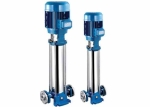

1. The vertical pump operates weakly and does not reach the design pressure
The most common sign is Water pressure decreased significantly, although:
-
Stable power supply
-
Pipes are not leaking
-
The valve is not clogged
This usually happens in:
-
vertical centrifugal pump
-
multistage pump
The cause may be due to worn pump impellers, bent shafts or degraded impeller assembly. If you have done maintenance many times but the pressure still does not improve, Replace vertical pump is a more reasonable solution in the long run.
2. The pump makes unusually loud noises and vibrates
One vertical pump During normal operation, it will run smoothly and vibrate slightly. When appears:
-
Loud hissing sound
-
The sound of metal colliding
-
Strong vibrations transmit to the foundation
That's the sign:
-
Bearings are heavily worn
-
Pump shaft is misaligned
-
Pump impeller unbalanced
With lines industrial pumps, if this condition persists, the risk of shaft breakage or engine fire is very high → You should consider replacing the pump instead of patchy repairs.
3. Frequent water leaks at seals and pump body
Mechanical seals are parts that wear out quickly vertical pump. However, if:
-
Changed the seal many times
-
Still leaking
-
Water flows back into the engine
Then there is a high possibility:
-
Pump shaft is worn
-
The sealing surface is no longer up to standard
In this case, the repair continues pump will no longer be effective, especially with imported industrial pumps or Large capacity vertical centrifugal pump.
4. Pump power consumption increases abnormally
A little noticed but very important sign:
👉 Electricity bills increase even though water flow remains unchanged
This shows:
-
Performance vertical pump has decreased
-
The engine must work overtime
-
Pump impellers, bearings, and shafts have degraded
In the long run, electricity costs + repair costs will be much higher than work Invest in new industrial pumps.
5. Vertical pumps often overheat
If pump:
-
Heats up quickly after starting up
-
There is a slight burning smell
-
Or automatically shut off due to thermal relay
This is a sign of weakened motivation. With systems used vertical pump Continuously, overheating is a clear warning that the device is near the end of its useful life.
6. Repair costs are increasingly high and dense
A simple engineering principle:
If the repair cost is > 40–50% of the new pump value → should be replaced
When vertical pump:
-
Or broken
-
Had to stop the system many times
-
Each year, there are many repairs
Then the replacement industrial pumps new will:
-
More stable
-
Long-term cost savings
-
Avoid production interruptions